Neurosoft Snorlex

Neurosoft Snorlex

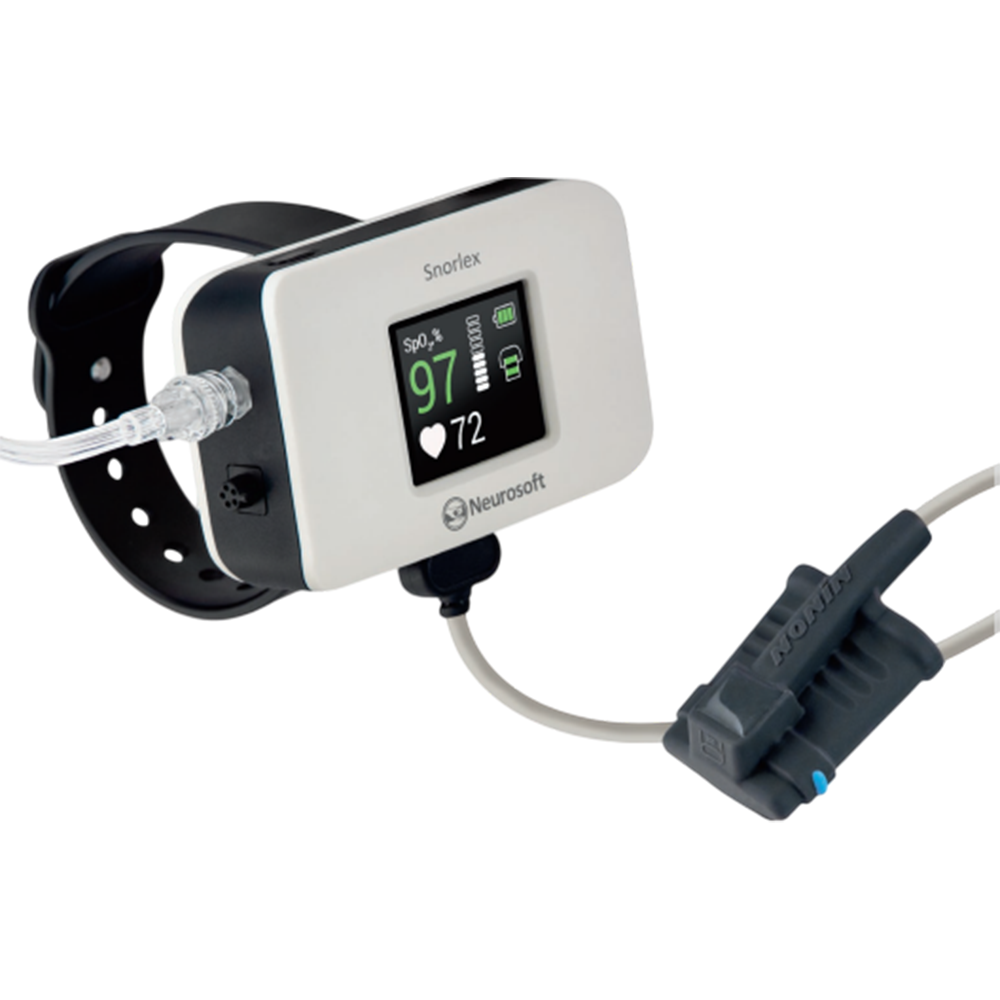
Home Sleep Apnea Testing Device

  • Type III and IV sleep monitor
  • Sleep apnea diagnostics
  • Examinations both in the hospital and at the patient’s home
  • Easy sensor application without any assistance
  • Automatic and manual data analysis
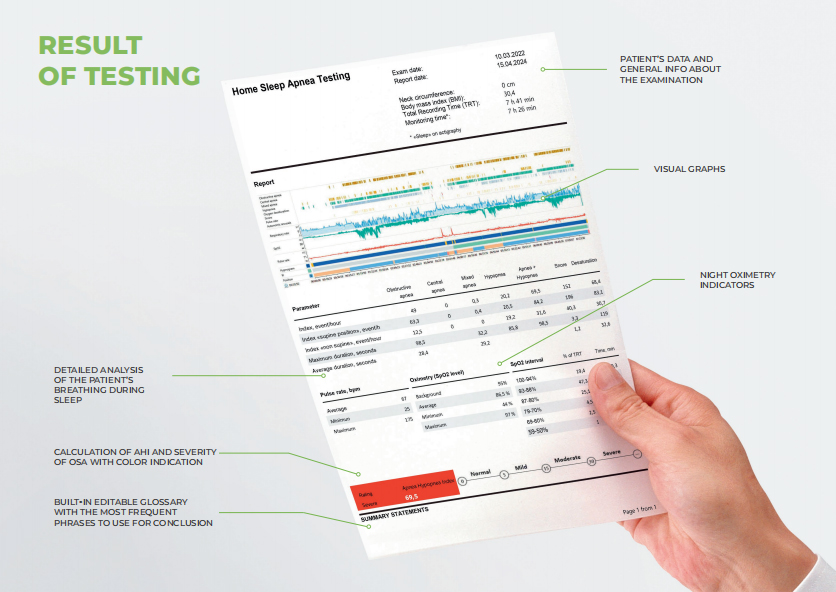
  • Automatically generated report

Home Sleep Apnea Testing Device is a small, easy-to-use device designed to diagnose sleep-disordered breathing. It allows identifying sleep apnea and differentiating its type — obstructive/central/mixed. HSAT also enables the determination of the dependence of the breathing disorder severity on the patient’s body position and the evaluation of CPAP therapy effectiveness.
Description

OBSTRUCTIVE SLEEP  APNEA SYNDROME

Obstructive sleep apnea syndrome (OSAS) is one of the most common sleep pathologies. OSAS is characterized by short pauses in breathing during sleep, which are associated with the collapse (obstruction) of the upper respiratory tract. Episodes of apnea can occur together with loud snoring, sharp decrease of blood oxygen saturation, sudden changes in heart rate and constant awakenings.

Frequent episodes of suffocation and hypoxemia during sleep may often result in cardiovascular, metabolic, endocrine, neurological and mental disorders. Patients with severe OSAS without treatment are reported to have 3 times higher risk of fatal and 4-5 times higher risk of non-fatal cardiovascular complications respectively. Studies using screening tests confirm that the majority of patients remain undiagnosed. That’s why it is extremely important to provide sleep specialists and other healthcare professionals with simple, clear and effective diagnostic methods.

Measurements

Measurement Type III Type IV (no effort) Computer-based pulse oximeter
Arterial oxygen saturation (SpO₂) + + +
Sleep-wake detection based on actigraphy + + +
Heart rate + + +
Snoring + +  
Nasal airflow + +  
Body position +    
Abdomen and thoracic respiratory efforts +    
Test Result Determination of the OSA type and its severity by the apnea/hypopnea index (AHI).

The dependence of occurance of apnea episodes on the patient’s body position during sleep

Detection of apnea episodes without type determination.

Sleep apnea is diagnosed in patients with a high pretest probability

Calculation of the desaturation index (DI).
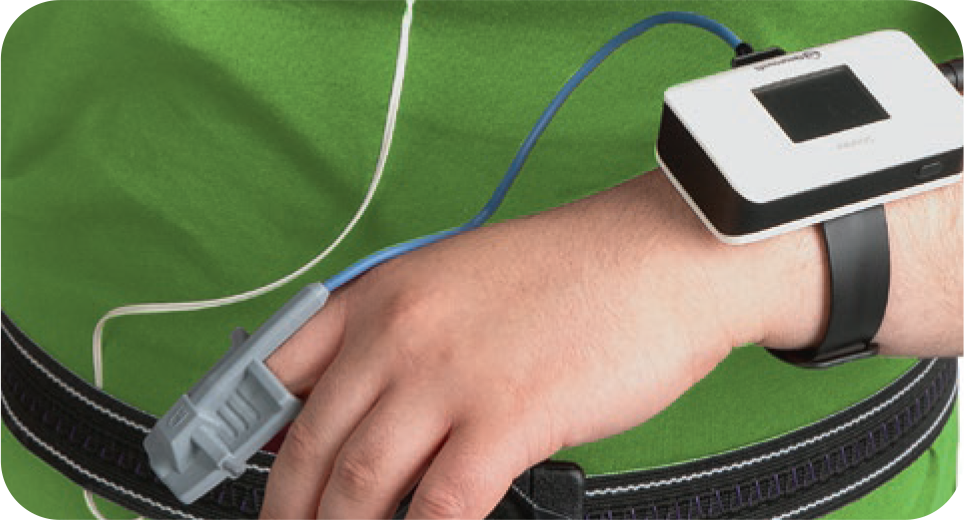
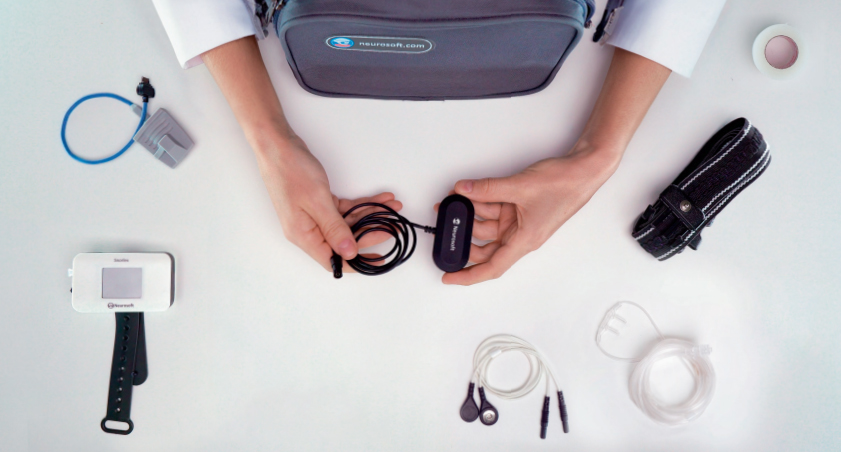
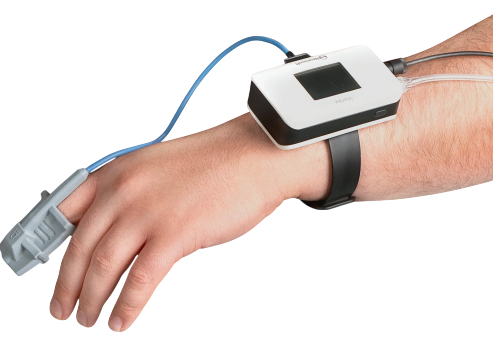
Home Sleep Apnea Testing Device with a convenient wrist strap
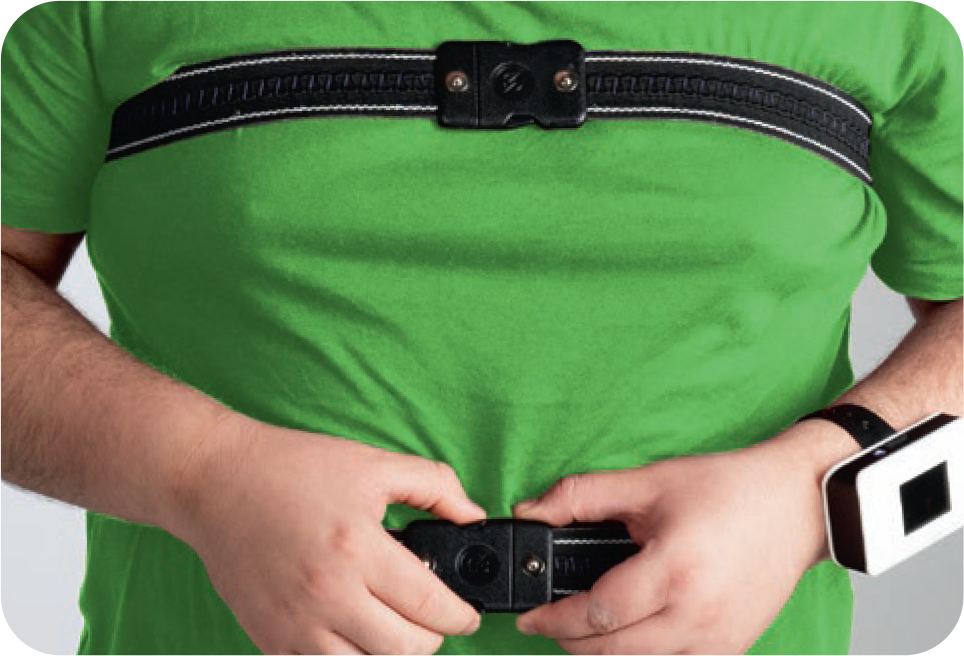
Adjustable chest and abdominal inductive belts
Nasal cannula for recording nasal breathing flow and snoring
Reusable pulse oximetry sensor
Respiratory effort and body position sensor is attached to the chest inductive belt

OBSTRUCTIVE SLEEP  APNEA SYNDROME

Everything necessary for home sleep testing is in a small bag.
In accordance with the examination type prescribed by the sleep specialist, the patient is provided with the required equipment configuration.

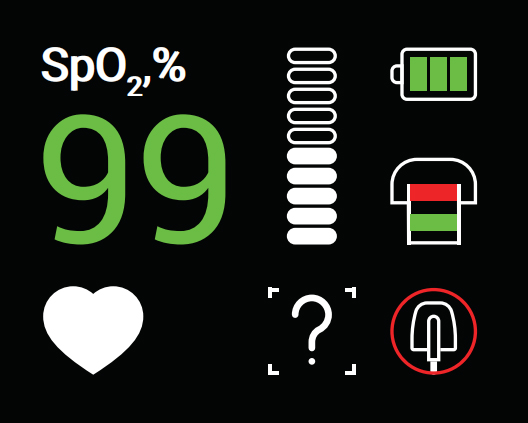
The color indication on the screen ensures the control of the battery charge and correct connection of the sensors.

The device displays the current values of saturation and pulse rate, indicators of inhalation/exhalation, battery charge level, connection of excursion belts and a pulse oximeter sensor.

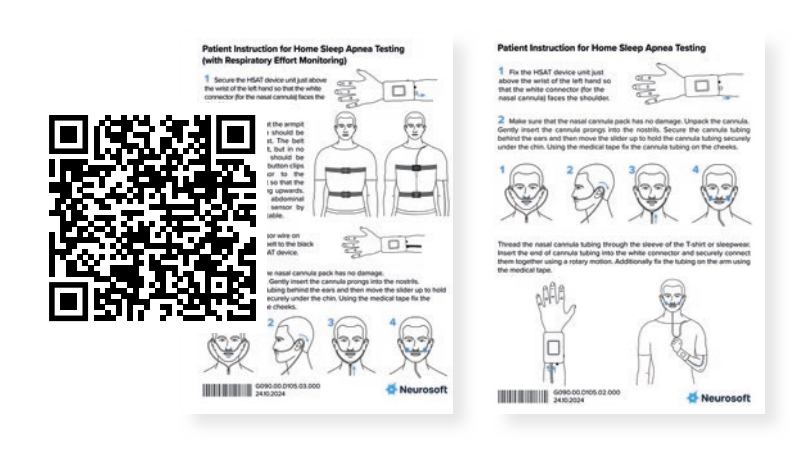
Printed memocard for comfortable sensor application outside the clinic

Sleep Master software enables the calculation of the quantitative parameters of sleep required for diagnosis. Data analysis complies with the recommendations of the American Academy of Sleep Medicine.

Go to Top